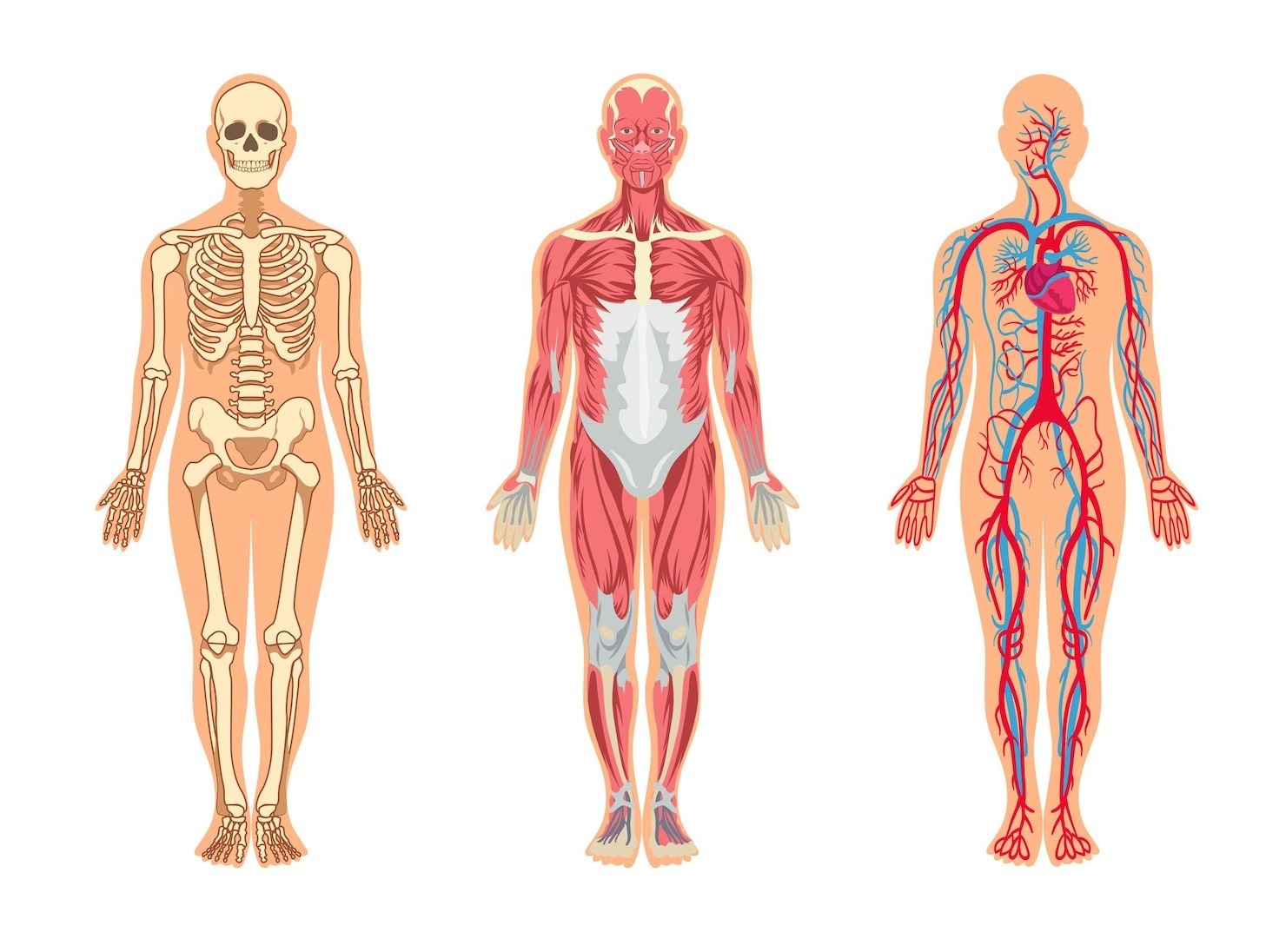
Physiology is a fundamental biomedical science that studies the functions, mechanisms, and regulation of human body activity at the cellular, tissue, organ, and systemic levels.
The course “Normal Physiology” aims to form in students a holistic understanding of the processes that ensure homeostasis, resistance to environmental influences, and the body’s adaptation to various functional loads.
Modern physiology relies on the achievements of molecular biology, biochemistry, neuroscience, and cybernetics, which makes it possible to consider the human body as a self-regulating biological system.
Within the framework of the course, students study:
• the physiological mechanisms of the nervous, endocrine, cardiovascular, respiratory, digestive, excretory, hematopoietic, and reproductive systems;
• the principles of interaction between organ systems;
• the role of neurohumoral regulation in ensuring the functional unity of the body;
• the physiological basis of metabolism and energy exchange;
• the regularities of growth, development, and aging;
• the physiology of higher nervous activity, behavior, emotions, and sleep.
Particular attention is paid to understanding physiological patterns in a clinical context. Mastering this discipline contributes to the development of systemic and clinical thinking, the ability to analyze the relationship between structure and function, interpret physiological indicators in normal and pathological conditions, and apply physiological knowledge to evaluate the effectiveness of therapeutic and preventive measures.
The course combines theoretical lectures, laboratory, and practical classes aimed at developing students’ skills in recording and analyzing physiological parameters such as arterial pressure, heart rate, respiratory indicators, reflex activity, ECG, and other biophysical data.
Normal Physiology is a basic discipline that provides interdisciplinary links between anatomy, histology, biochemistry, pathology, and clinical subjects (internal medicine, surgery, pharmacology, pathophysiology, etc.).
Course objective:
To develop fundamental knowledge about the functions of the human body and their regulatory mechanisms, to foster clinical reasoning, and to enable the use of physiological principles in health assessment, diagnosis, and treatment.
For students majoring in “General Medicine”
• Total workload: 12 credits (432 hours)
• Contact hours: 216 hours
• Independent work: 216 hours
• Semesters: 1, 2
• Final assessment: Examination
The course “Normal Physiology” aims to form in students a holistic understanding of the processes that ensure homeostasis, resistance to environmental influences, and the body’s adaptation to various functional loads.
Modern physiology relies on the achievements of molecular biology, biochemistry, neuroscience, and cybernetics, which makes it possible to consider the human body as a self-regulating biological system.
Within the framework of the course, students study:
• the physiological mechanisms of the nervous, endocrine, cardiovascular, respiratory, digestive, excretory, hematopoietic, and reproductive systems;
• the principles of interaction between organ systems;
• the role of neurohumoral regulation in ensuring the functional unity of the body;
• the physiological basis of metabolism and energy exchange;
• the regularities of growth, development, and aging;
• the physiology of higher nervous activity, behavior, emotions, and sleep.
Particular attention is paid to understanding physiological patterns in a clinical context. Mastering this discipline contributes to the development of systemic and clinical thinking, the ability to analyze the relationship between structure and function, interpret physiological indicators in normal and pathological conditions, and apply physiological knowledge to evaluate the effectiveness of therapeutic and preventive measures.
The course combines theoretical lectures, laboratory, and practical classes aimed at developing students’ skills in recording and analyzing physiological parameters such as arterial pressure, heart rate, respiratory indicators, reflex activity, ECG, and other biophysical data.
Normal Physiology is a basic discipline that provides interdisciplinary links between anatomy, histology, biochemistry, pathology, and clinical subjects (internal medicine, surgery, pharmacology, pathophysiology, etc.).
Course objective:
To develop fundamental knowledge about the functions of the human body and their regulatory mechanisms, to foster clinical reasoning, and to enable the use of physiological principles in health assessment, diagnosis, and treatment.
For students majoring in “General Medicine”
• Total workload: 12 credits (432 hours)
• Contact hours: 216 hours
• Independent work: 216 hours
• Semesters: 1, 2
• Final assessment: Examination